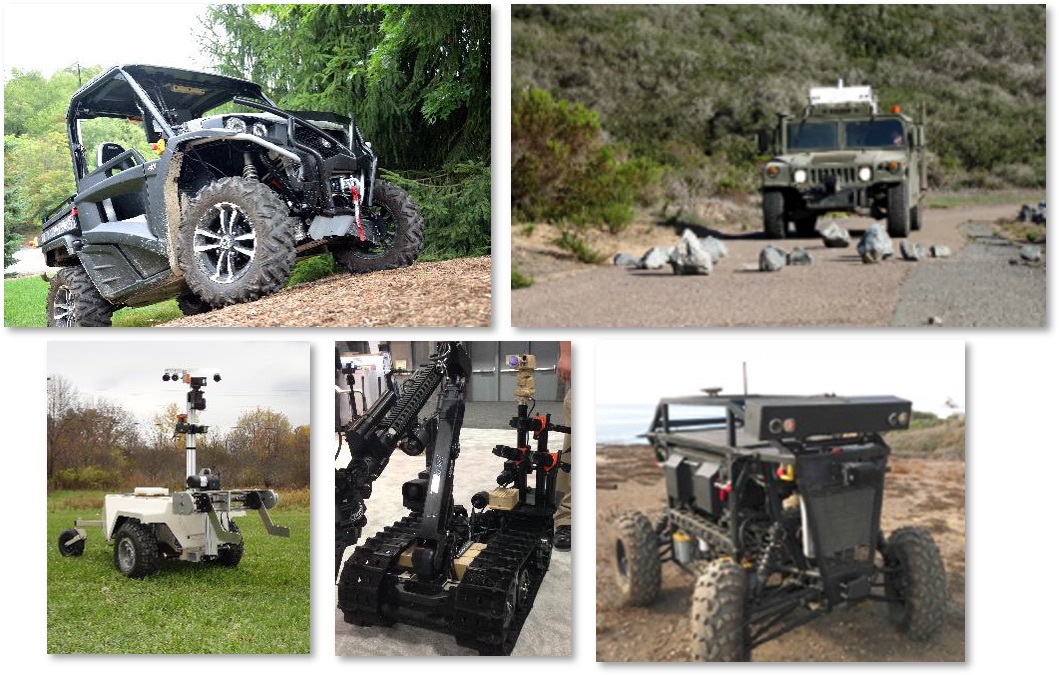


Where you should be going, you don't need roads
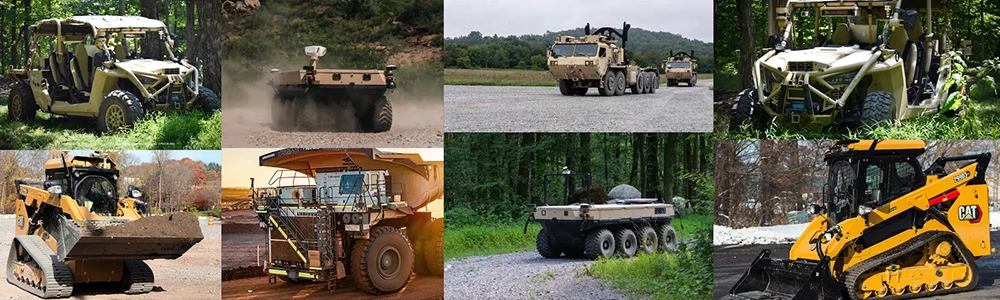
Why the commercial growth in autonomy will come off-road, not on it.
I founded Neya Systems in 2009, bootstrapped it on government R&D contracts into a world leader in off-road autonomy, and sold it to Applied Research Associates in 2017.
Before that, a decade building autonomy stacks — perception, path planning, mission management — at Applied Perception and Carnegie Mellon’s National Robotics Engineering Center. I now work with boards and founders in autonomy and deep tech, teach at CMU, and mentor people earlier on the same road.
Summary
Board seats, advisory roles, and technical diligence for autonomy, robotics, and defense-technology companies — especially those selling into government programs.
Adjunct faculty at Carnegie Mellon, teaching Introduction to Robotics Business (16-697) and Creating a Robotics Startup (16-698) in the Master of Science in Robotic Systems Development program.
I’m currently an Entrepreneur in Residence at Innovation Works, supporting the Robotics Factory accelerator program. I enjoy engaging with early stage startups and working with new founders.
| Period | Organization | Role & result |
|---|---|---|
| 2009–18 | Neya Systems | Founder & CEO. One employee to thirty with no outside equity. Acquired by Applied Research Associates in 2017; stayed on eighteen months to lead post-acquisition growth. |
| 2003–09 | Applied Perception QinetiQ North America, 2007–09 | Research engineer to Director of Projects & Operations. Lead architect and principal author of a full autonomy stack — drivers, perception, path planning. Dozens of SBIR, BAA, and commercial proposals written and won. |
| 1999–03 | CMU NREC | Commercialization Specialist. Path tracking and obstacle detection for automated golf course fairway mowers at 2–3 cm precision. |
| 1999 | Carnegie Mellon University | Ph.D., Robotics. Driver-Adaptive Lane Departure Warning Systems. |
Why the commercial growth in autonomy will come off-road, not on it.
Building a company on non-dilutive federal R&D — and what to watch for.
Lessons from taking Neya from one employee to thirty.